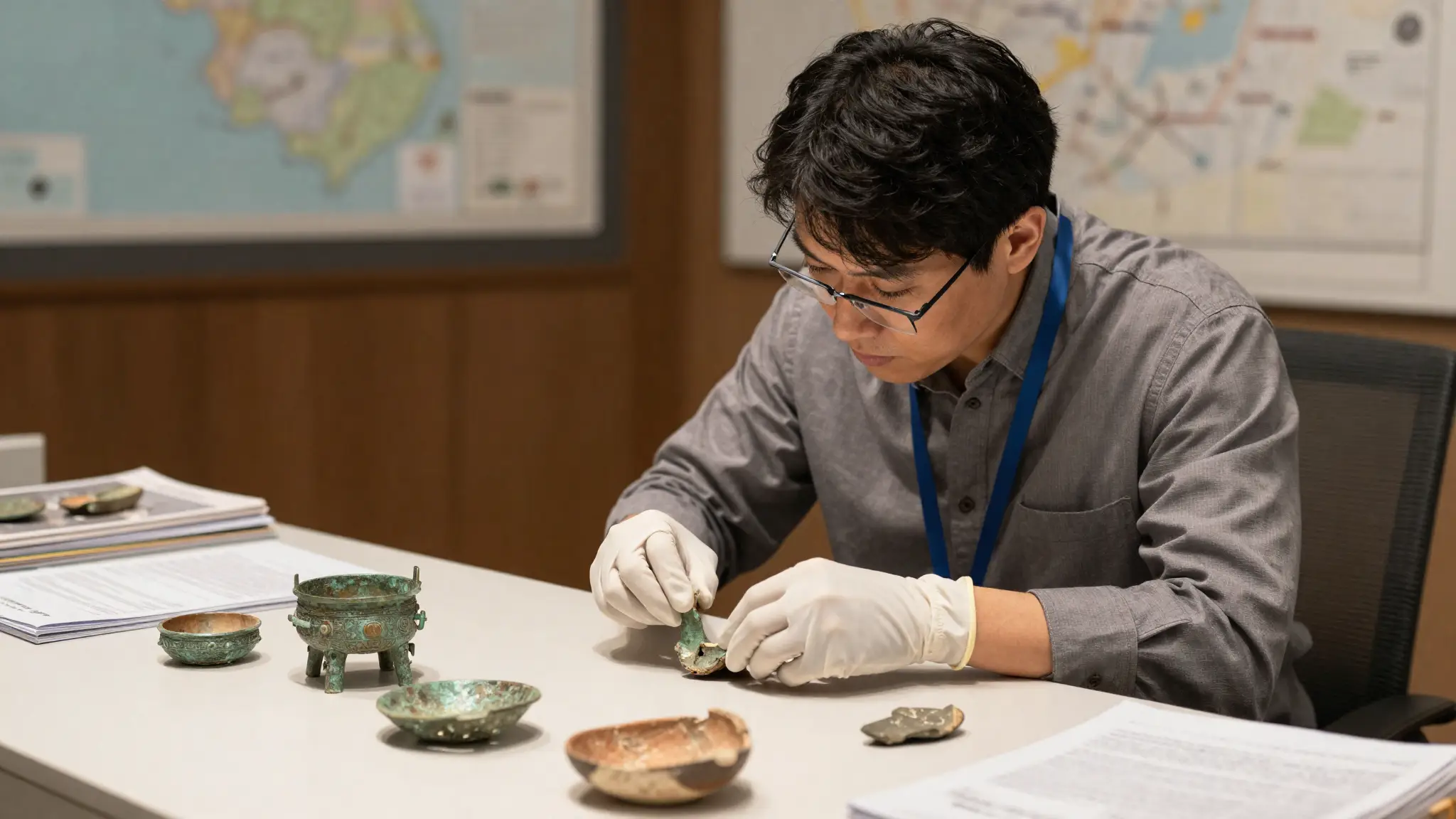
At school, history was often taught as a subject built around memorizing dates and event names. Most of it disappeared after the exam, leaving history feeling difficult and dull. But history is not a list to memorize. It is a story about why people made the choices they did.
key_point Linking cause and effect is one way to trace historical change. Test it against multiple causes, competing interpretations, and the actual sources.
highlights
- For each event, begin by looking for the reasons it happened.
- Connect the event to what it changed afterward.
- Use dates only as tools for placing events in sequence.
Ask “why?” before each event
Interpretation and application
When you encounter an event, ask why it happened before trying to memorize its name and date. Look at what people were dissatisfied with, what threats they felt, and what benefits they sought. You will see that events do not simply appear out of nowhere.
There is usually more than one cause. Economic hardship, struggles for power, and outside pressure may overlap until they erupt into a single event. Looking at several causes together shows that history is more than a simple tale of good and evil.
Then connect what changed
Interpretation and application
An event is not an ending; it becomes a cause of what follows. Trace what a reform or war changed afterward, and events that once seemed scattered begin to form a continuous story.
As you connect causes and effects, it becomes easier to understand why certain institutions and cultures emerged in a particular period. We also need to avoid judging people of the past too easily from our position of knowing the outcome.
Use dates to establish sequence
Interpretation and application
This does not mean ignoring dates altogether. A date is a framework for placing events before or after one another, not an end in itself. A broad sense of historical periods and a few anchor dates are enough to follow the flow.
Alongside exact dates, check the sequence between events against timelines and primary sources.
Look at the past through the present
Interpretation and application
Reading history through cause and effect helps us see where the institutions and conflicts of today came from. The past is not a distant story; it is the background that explains the present.
Still, no single book or article can contain everything. Read across several sources and remain open to the fact that the same history can be interpreted in different ways.
Evidence note
Check who created a primary source, when, and for what purpose; record observation, reflection, and questions separately.
Sources: Library of Congress — Primary Source Analysis · U.S. National Archives — Document Analysis
Notes
- Historical interpretations can differ by perspective, so it is best to consult multiple sources.
- This article is a general guide proposing one way to read history.
Evidence note
Responsibility: Readers should test these questions against the actual sources and interpretations; the publisher rechecks links and descriptions.
Limitations: Cause and effect is a learning frame, not a single answer or a substitute for competing historical interpretations.
Checked: